

When Your AC Stops Cooling — What's Actually Happening
A refrigerant leak or low gas pressure causes most AC failures. Learn why recharging your AC gas isn't always the fix, and what you should actually check first.
Spring recharge, summer checks, fall inspection, winter prep. Here's your complete annual maintenance calendar for Tartu weather.

Author
Editorial Team — Written by the marloport editorial team, focused on clear, practical guidance for Tartu vehicle maintenance and seasonal care.
Here's the thing — most people think about their car's air conditioning when it stops working. By then, you're sweating through summer traffic and facing an expensive repair bill. But it doesn't have to be that way.
Your AC system is like any other part of your car. It needs regular attention throughout the year. Different seasons bring different challenges in Tartu's climate — from summer heat to winter frost. When you understand what your AC needs each quarter, you'll avoid breakdowns, keep cooling costs down, and actually enjoy your drive.
We've put together a complete quarterly maintenance schedule that's easy to follow. It's not complicated stuff — mostly simple checks you can do yourself, plus knowing when to call in a technician. Let's walk through what happens each season.
Spring's the time to get your AC ready for the warm months ahead. You've probably haven't used it much over winter — maybe just a little dehumidifying on those weird March days. Now it's time for a real check.
Start with the simple stuff. Turn on your AC and listen. Does it make an unusual grinding or squealing sound? That's a red flag. Feel the air coming out — it should be cold pretty quickly, within 30 seconds or so. If it's just lukewarm, you've likely got a refrigerant leak or low gas pressure.
Check your cabin air filter too. Winter's hard on filters — dust, pollen from early spring, and road salt all get stuck in there. A clogged filter doesn't just make your AC work harder; it actually reduces cooling efficiency by up to 15%. You'll spend more on gas and your compressor gets strained. Most people can swap a cabin filter in about 10 minutes.
If everything sounds and feels normal, you're in good shape. If not, get it checked before summer hits. That's when you'll really need it working.

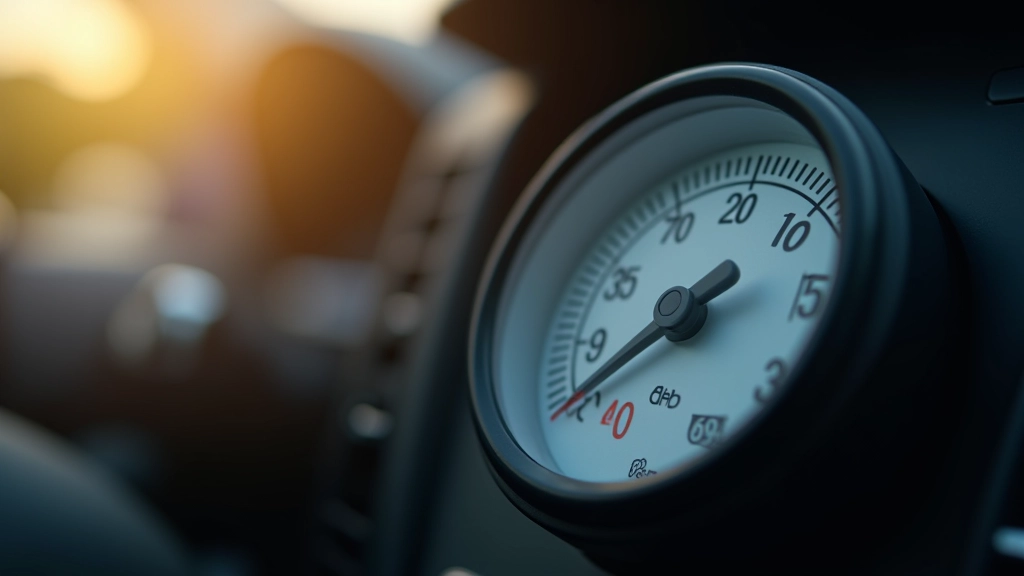
Summer's when your AC works overtime. Tartu gets warm — sometimes hitting the mid-20s Celsius, which might not sound extreme, but inside a parked car it can get significantly hotter. Your AC's running hard, and that's when problems show up.
During summer, do a monthly cooling check. Drive with your AC on full blast and verify it's actually cold. Not just "a bit cool" — genuinely cold air should come out within seconds. If cooling performance has dropped even slightly since spring, that's your sign to get a pressure test done. Summer heat can actually mask small refrigerant leaks because the system's under more pressure.
Watch your compressor clutch too. On hot days, you might notice the compressor cycling on and off more than usual. That's normal up to a point, but if it's cycling every few seconds, something's wrong — likely low refrigerant or a faulty pressure switch.
Parking in shade when possible reduces strain on your AC system by up to 30%. Plus, your car won't feel like an oven when you get back in it.
Fall's your chance to catch anything that developed over summer before you need your heating system to kick in. The weather's getting cooler, so your AC won't be running as hard, but this is actually the perfect time for a detailed inspection.
Get a full AC system inspection done. We're talking pressure testing, leak detection with special dye, and compressor performance checks. Most technicians can do this in about 30-45 minutes, and it costs way less than an emergency repair in July. If there's a slow leak, fall's when you'll catch it before winter freeze damage occurs.
Replace your cabin filter again if you haven't since spring. Fall's brutal for air filters — leaves, dust, and debris everywhere. A fresh filter helps both your AC and heating system work properly.
Check all your hoses and connections. Look for any signs of oil residue, which indicates a refrigerant leak. Check the condenser fins (that's the part that looks like a radiator in front of your engine) for damage. If leaves and debris have built up there, clean it out gently — a clogged condenser makes your AC work harder and can cause pressure issues.

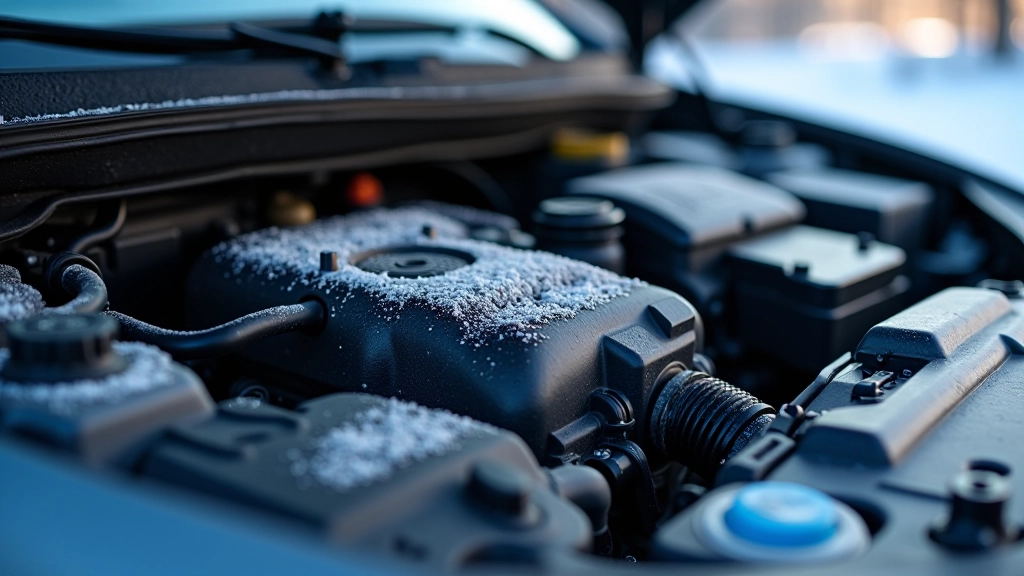
Winter in Tartu means cold. Really cold. Your AC system goes into maintenance mode during winter, but that doesn't mean you can ignore it completely. Actually, winter's when some problems develop that you won't notice until summer.
Run your AC on low for about 10 minutes every week or two, even in winter. Seriously — this keeps seals moist and prevents the system from drying out. If you go four months without using your AC, seals can crack and refrigerant can escape. You'll start summer with a system that's already compromised.
Check that your heating system's working properly too. Both heating and cooling use similar components, and problems in one can affect the other. If your heater's struggling, that's worth investigating because it could indicate a refrigerant issue.
Make sure your compressor's protective cover isn't damaged if you have one. Salt and road chemicals from winter driving can corrode AC components. A quick visual inspection takes 30 seconds and could save you hundreds.
The pattern's clear when you look at it this way. Spring gets your system ready. Summer demands peak performance, so you're testing it constantly. Fall catches problems before winter. Winter keeps everything from deteriorating. Then spring comes around again and you're maintaining a system that's actually in good shape.
Most AC failures aren't sudden. They develop over weeks and months. A small refrigerant leak gets worse. A struggling compressor works harder. A clogged filter makes everything less efficient. But if you're checking things quarterly, you'll catch these problems when they're still small and cheap to fix.
Think of it this way — spending an hour four times a year on AC maintenance saves you from spending a day in a repair shop and hundreds of euros on emergency fixes. That's not just practical; that's smart car ownership. Your AC will work when you need it, your car will stay cooler in summer, and you'll actually enjoy driving in Tartu's climate instead of dreading the heat.
This guide provides general information about seasonal AC maintenance for educational purposes. While these recommendations are based on common vehicle maintenance practices, specific AC service needs can vary depending on your vehicle's make, model, age, and condition. Always consult your vehicle's owner manual for manufacturer-specific maintenance intervals. For complex AC system issues, pressure testing, refrigerant recharging, or compressor problems, we recommend working with a qualified automotive technician who has proper diagnostic equipment and certifications. Improper handling of refrigerant or AC system components can be hazardous and may violate environmental regulations.
Explore more guides on vehicle air conditioning maintenance and repair
A refrigerant leak or low gas pressure causes most AC failures. Learn why recharging your AC gas isn't always the fix, and what you should actually check first.
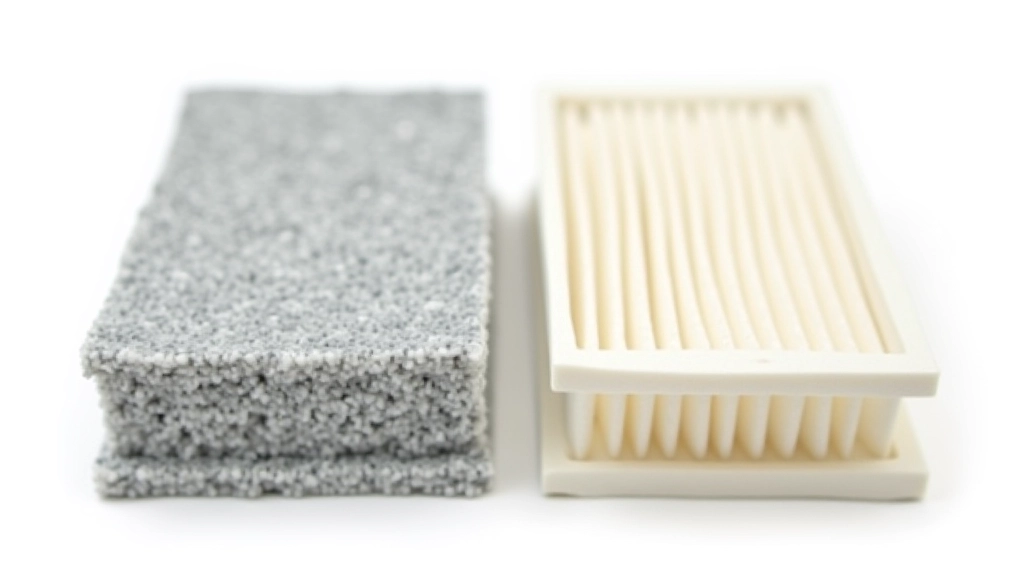
A clogged filter reduces airflow and strains your AC compressor. We'll explain the signs you need a replacement and walk you through the swap.

From pressure checks to refrigerant injection, understand each step of the recharge process and why technicians do it the way they do.