

Cabin Filter Replacement — Why It Matters More Than You Think
A clogged filter reduces airflow and strains your AC compressor. We'll explain the signs it's time to replace yours and what happens when you ignore it.
Read MoreA refrigerant leak or low gas pressure causes most AC failures. Learn why recharging works and when it's necessary.


Written by the marloport editorial team, focused on clear, practical guidance for Tartu vehicle maintenance and seasonal care.
It's hot outside. You turn on the air conditioning and get... warm air. It's frustrating, and you're wondering what went wrong. Thing is, your AC system didn't just fail overnight. Something specific happened — and in most cases, it's fixable.
The reality? Nearly every AC cooling failure traces back to one culprit: refrigerant loss. Your car's AC doesn't consume refrigerant like fuel — it cycles the same gas over and over. But when there's a leak somewhere in the system, pressure drops and cooling stops. Without the right amount of refrigerant moving through the compressor and condenser, the whole chain breaks down.
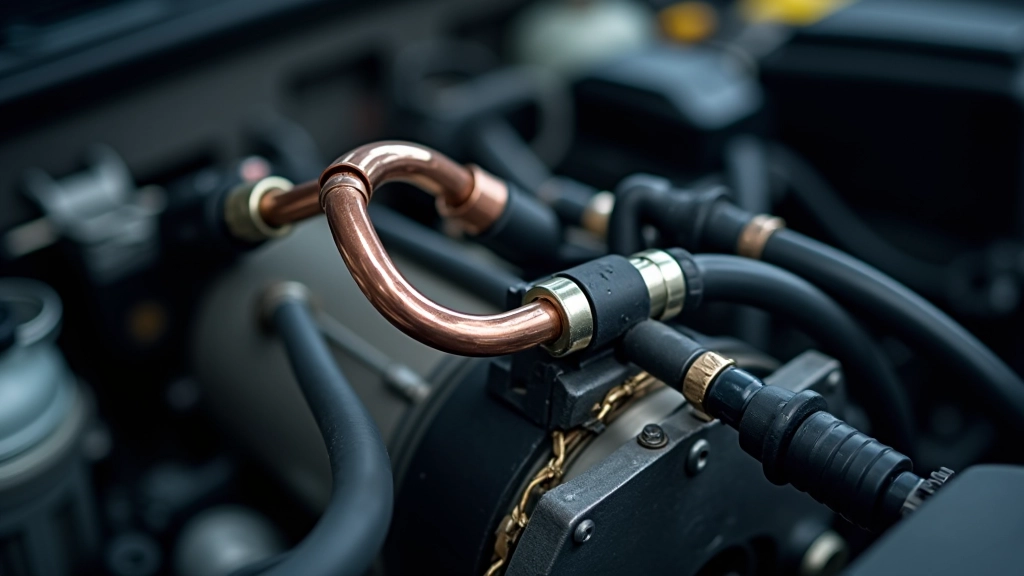
Refrigerant leaks account for roughly 90% of AC cooling problems. The other 10%? Usually a compressor that's stopped working or a blocked condenser. But if cold air suddenly stopped flowing, refrigerant loss is your first suspect.
Your AC system is a sealed loop. Refrigerant travels through hoses, connections, and components under pressure — sometimes very high pressure. Over time, things wear out. Hose seals degrade. Connections develop tiny cracks. Even vibration from the engine can loosen fittings ever so slightly.
You won't see a puddle under your car. Refrigerant evaporates. What you'll notice is performance — the AC blows less cold. Then less cold. Then it stops working entirely. By the time it fails completely, you've already lost a meaningful amount of gas.
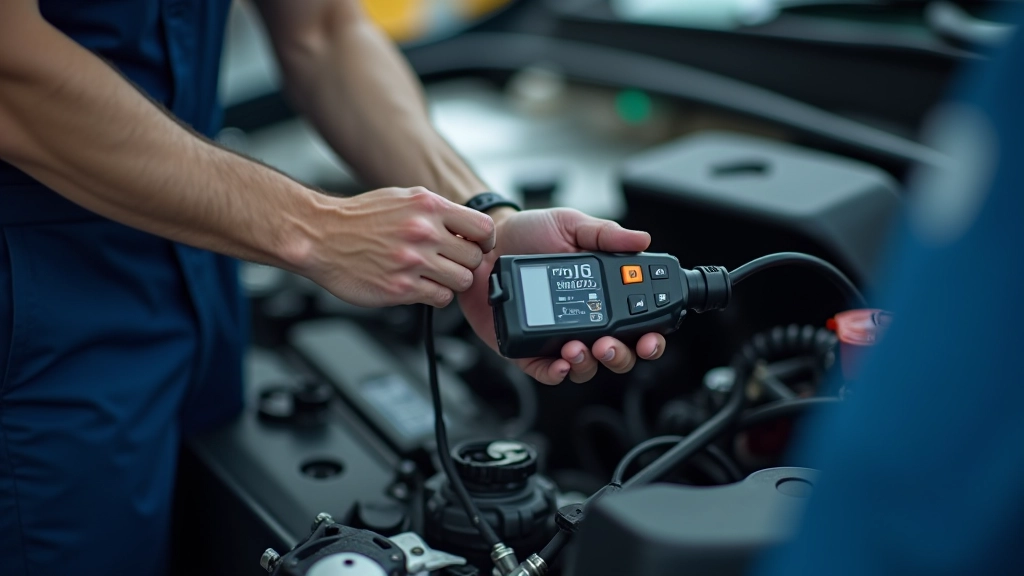
Just adding refrigerant without finding the leak is like patching a tire while driving. It'll help temporarily, but the problem comes back. A proper recharge includes locating and fixing the leak source.

Recharging isn't just pumping gas back in. It's a controlled process that restores the right amount of refrigerant at the right pressure. Here's the sequence: First, a technician connects diagnostic gauges to measure the current pressure in your system. This tells them exactly how much refrigerant you've lost. Then they evacuate any remaining old refrigerant — this is important because old gas mixed with new gas doesn't flow properly. Finally, they inject the correct amount of new refrigerant while monitoring pressure the entire time.
The whole thing takes about an hour. You'll feel cold air coming out of the vents again almost immediately. But here's the key: if there's still a leak, that new refrigerant will slowly escape. That's why finding the leak source matters.
After a proper recharge with leak repair, your AC should maintain cooling for years. Without fixing the leak? You'll be back in 6-12 months with the same problem.
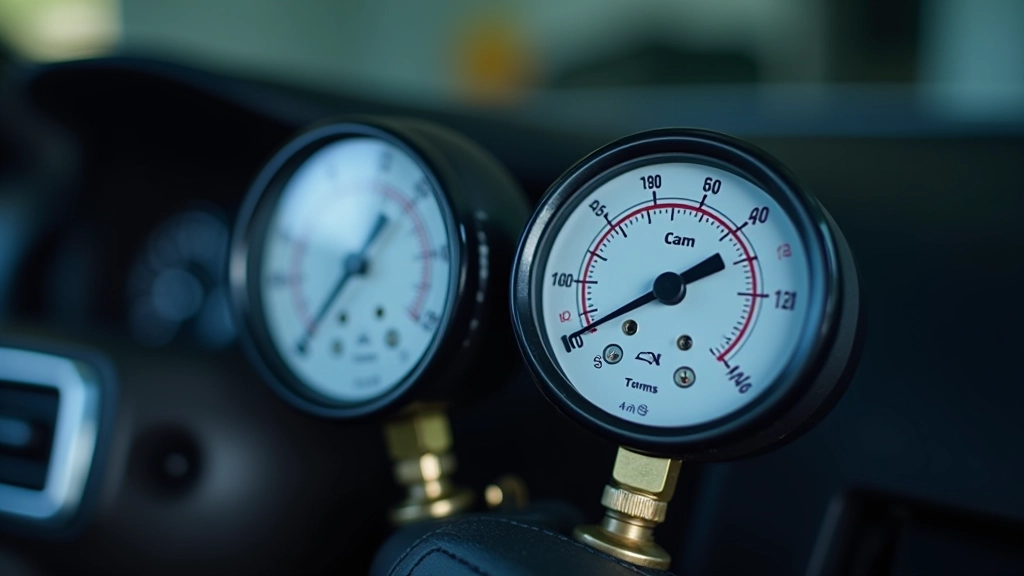
Your AC system operates at specific pressures. On the low side, it might run around 25-30 PSI. On the high side, it could reach 250+ PSI. These aren't random numbers — they're engineered for your specific car. When pressure drops below the minimum, the refrigerant doesn't circulate properly. The compressor can't pump it through the system effectively.
This is why a technician checking your system with gauges is so important. They're not just guessing. They're reading exact pressure values and comparing them to manufacturer specs for your vehicle. If pressures are low on both sides, you've got a leak. If only the high side is low, the compressor might be failing. Different readings point to different problems.
Don't ignore warm air from your AC vents. The problem won't fix itself, and waiting just means paying more later when other components get damaged from running low on refrigerant. The compressor, for instance, relies on refrigerant for lubrication. Run it dry for too long and you're looking at a compressor replacement — which is expensive.
Get the system diagnosed. A technician will use gauges to check pressure, look for visible leaks, and run through the standard troubleshooting steps. From there, you'll know if it's a simple recharge with leak repair or something more involved. Either way, you're better off knowing what's wrong than guessing.
Most AC cooling failures are straightforward to fix once you know what caused them. A leak found and sealed. Refrigerant restored to proper levels. That's usually all it takes to get cold air flowing again. Don't let a broken AC ruin your summer — get it checked soon.
This article is informational and educational in nature. It describes general AC system principles and common cooling problems. It is not professional mechanical advice. Vehicle air conditioning systems vary by make, model, and year. Always consult a qualified technician or your vehicle's service manual for specific guidance on your car's AC system. Improper handling of refrigerant can be dangerous and is regulated by law in many regions. Seek professional service for AC diagnosis and repair.
Explore more guides on vehicle AC maintenance and seasonal care
A clogged filter reduces airflow and strains your AC compressor. We'll explain the signs it's time to replace yours and what happens when you ignore it.
Read More
Spring recharge, summer checks, fall inspection, winter prep. Here's your complete seasonal guide to keeping your AC running strong year-round.
Read More
From pressure checks to refrigerant injection, understand each step of the recharge process and why proper technique matters for your system's health.
Read More