

When Your AC Stops Cooling — What's Actually Happening
A refrigerant leak or low gas pressure causes most AC failures. Learn why recharging might be the fix — or why it's just part of the solution.
Read ArticleFrom pressure checks to refrigerant injection, understand each step of the recharging process and why proper technique matters.


Written by
Editorial Team focused on clear, practical guidance for Tartu vehicle maintenance and seasonal care.
Your car's air conditioning system isn't magic — it's chemistry and physics working together. The refrigerant flowing through those metal lines is what actually cools your cabin. Over time, that gas escapes through tiny leaks or gets depleted through normal use. When pressure drops below the optimal level, you'll notice your AC blowing warm air instead of the cold blast you're expecting.
Recharging isn't just about dumping new refrigerant into the system. It's a precise process that requires checking pressures, identifying leaks, and ensuring the right amount of gas enters at the right time. We'll walk you through what actually happens when a technician recharges your system.
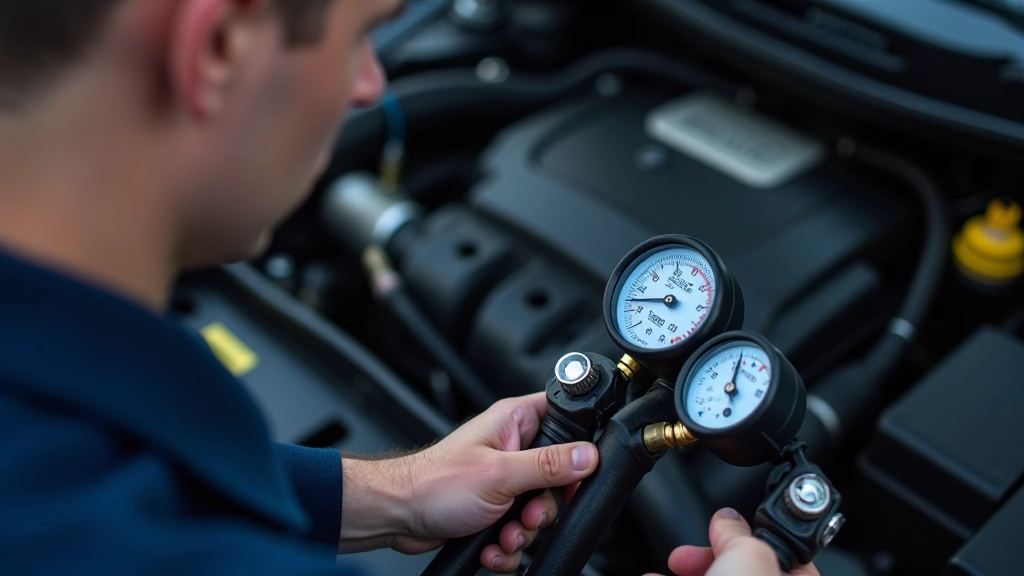
Before anything else, the technician connects a set of manifold gauges to your AC system. These gauges tell the story. The low-side gauge shows pressure on the suction line (where cool gas returns), while the high-side gauge measures discharge pressure where the compressor forces hot gas through the condenser.
A healthy system running at ambient temperature (let's say 75°F outside) should show low-side pressure around 25-40 PSI and high-side pressure around 250-350 PSI. If your readings are way below that, you've got a refrigerant leak or system issue. If pressures are dangerously high, there might be an obstruction or a compressor problem.
This diagnostic step takes just a few minutes but it's absolutely critical. Skip it, and you'll just be throwing refrigerant at a problem you don't understand. That's how money gets wasted.
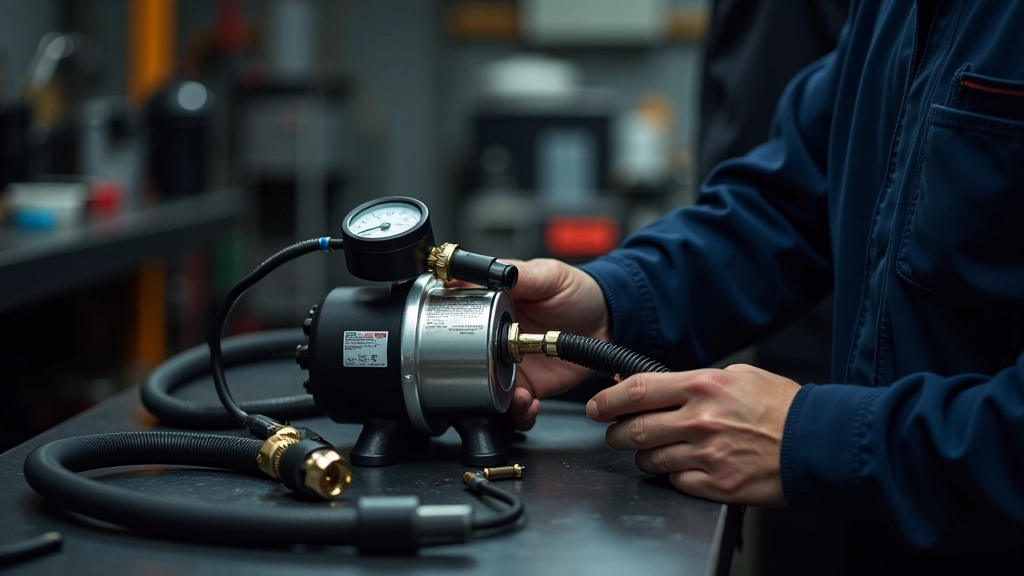
Here's where most people get confused. Before adding new refrigerant, the old gas and anything contaminating the system needs to come out. But you can't just vent it to the air — that's illegal and environmentally destructive. Instead, the system gets connected to a recovery machine that sucks out all the old refrigerant and stores it for proper disposal or recycling.
Next comes the vacuum pump. This machine pulls the pressure inside the AC lines down to near-zero (around 0.5 to 1 micron). Why? Because even tiny amounts of air and moisture in the system will cause problems. Air creates blockages and reduces cooling efficiency. Moisture mixed with refrigerant forms acids that corrode internal components. A deep vacuum for 15-30 minutes ensures the system is clean and dry.
You'll see the vacuum gauge needle drop steadily. When it reaches a deep vacuum and holds steady without rising back up, that means the system is sealed and ready for fresh refrigerant.
Now for the actual recharge. The technician connects a refrigerant canister to the low-side port (never the high side — that's how you cause dangerous overpressure). The amount of refrigerant your car needs is listed on a sticker under your hood or inside the driver's door jamb. Most vehicles take between 1 to 4 pounds of refrigerant, depending on the system size.
Overcharging is worse than undercharging. Too much refrigerant creates dangerously high pressures that can rupture lines or blow out the compressor seal. Undercharging just means less cooling. This is why precise measurement matters — it's not "more gas = colder air."
As refrigerant flows into the system, the technician monitors both gauges. The low-side pressure rises gradually, and the high-side pressure comes to life. Once the right amount is in, the gauges should match the targets for your vehicle's ambient temperature. The compressor runs the whole time, circulating the new refrigerant through the condenser, expansion valve, and evaporator.
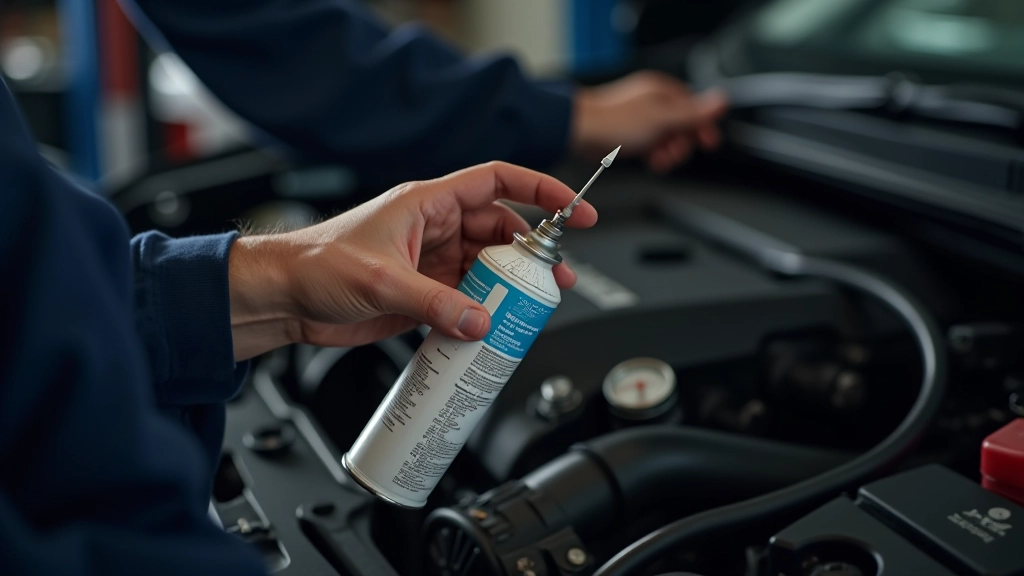

The gauges might look perfect, but that's only half the story. The technician runs the AC at full blast and measures the actual temperature coming out of the vents. A properly recharged system should blow air that's between 35-45°F at the dashboard outlet when the outside temperature is 85°F or higher. If you're getting 55°F or warmer, something's still wrong.
They'll also check that the compressor clutch is engaging properly — you'll hear a distinct click when the AC cycles on, and the compressor pulley should spin. If there's no engagement, the system might have low pressure protection kicking in, indicating an incomplete recharge or a different problem.
Don't rush this step. Take a 10-15 minute drive with the AC running. The system needs time to stabilize and reach equilibrium. Pressures that look good during a static test might drift if there's still a slow leak.
A proper AC recharge takes time because it's not just about adding gas. It's about understanding pressure dynamics, ensuring the system is clean and dry, measuring accurately, and verifying the results with real-world testing. When a technician does this right, you get reliable cooling that lasts.
What you don't want is a quick top-up at a quick-lube shop where someone hooks up a canister and guesses at the amount. That approach might feel cold for a week or two, but it won't address underlying issues and often leads to overpressure or incomplete filling.
If your AC starts losing cooling again within a few months of a recharge, that's a sign of a leak that needs fixing. Refrigerant doesn't just disappear — it escapes through a damaged seal, cracked line, or bad connector. Finding and fixing that leak is the real solution. The recharge is just the temporary fix while you address the root cause.
In Tartu's summer heat, a working AC isn't a luxury — it's essential. Understanding what's happening during a recharge helps you recognize when a technician is doing the job right, and when shortcuts are being taken. That knowledge is worth more than the recharge itself.
This article is for informational purposes only and describes general AC recharge procedures. AC systems operate under pressure and contain refrigerants that require proper handling and licensing. Never attempt to recharge an AC system yourself unless you're a certified technician. Improper handling can result in system damage, personal injury, or environmental harm. Always consult a qualified mechanic for AC service and repairs. Procedures and specifications vary by vehicle make and model.
A refrigerant leak or low gas pressure causes most AC failures. Learn why recharging might be the fix — or why it's just part of the solution.
Read Article
A clogged filter reduces airflow and strains your AC compressor. We'll explain the signs and show you why this simple maintenance step prevents bigger problems.
Read Article
Spring recharge, summer checks, fall inspection, winter prep. Here's your complete guide to keeping AC in top shape year-round.
Read Article